Environmental Benefits of Hydrovac Excavation in Alberta
Posted on 2024-12-15 by Hydrovac Grande Prairie Team
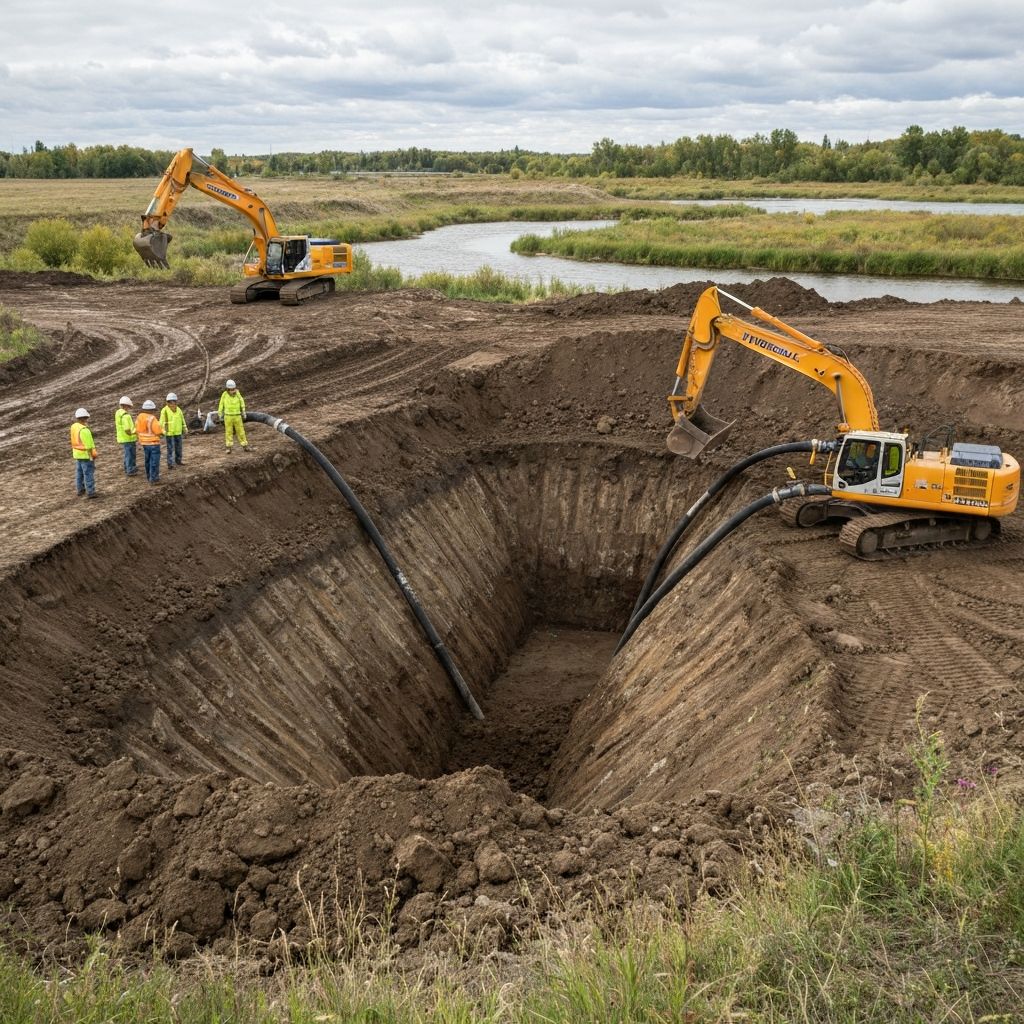
Hydrovac Excavation: The Environmentally Responsible Choice
As environmental stewardship becomes increasingly critical in Alberta's construction and energy sectors, hydrovac excavation has emerged as the most environmentally responsible excavation method. In Grande Prairie and throughout northern Alberta—regions with sensitive boreal forests, wetlands, and watersheds—minimizing excavation impact is both an environmental obligation and regulatory requirement.
This guide explores how hydrovac excavation reduces environmental impact compared to traditional mechanical digging, supporting Alberta's commitment to sustainable development and ecosystem protection.
Reduced Surface Disturbance
Minimal Excavation Footprint
Traditional excavation with backhoes or excavators requires:
- Wide access corridors for equipment positioning
- Large staging areas for excavated material
- Extensive surface clearing and grading
- Compaction from heavy equipment travel
Hydrovac excavation dramatically reduces surface impact:
- Truck parks on existing access roads or cleared areas
- Flexible hoses (up to 400+ feet) reach excavation points without clearing wide corridors
- Excavated material contained in truck tank—no on-site spoil piles
- Minimal ground compaction and vegetation disturbance
Protection of Sensitive Areas
In Grande Prairie's environmentally sensitive locations—including wetland buffers, riparian zones, and protected habitats—hydrovac enables excavation with minimal ecosystem disruption:
- Work around protected vegetation without removing it
- Maintain ground cover and root systems
- Prevent soil compaction that damages plant communities
- Reduce erosion risks from exposed soil surfaces
Soil Protection and Management
Preservation of Soil Structure
Traditional mechanical excavation disrupts soil horizons, destroys structure, and mixes topsoil with subsoil. This damage impacts:
- Soil fertility and organic matter content
- Drainage and water-holding capacity
- Microbial communities and biological activity
- Re-vegetation success and long-term site recovery
Hydrovac excavation maintains soil structure:
- Removes only necessary material from target excavation area
- Preserves soil horizons and layering
- Minimizes disturbance to surrounding soils
- Enables selective excavation around roots and sensitive areas
Reduced Soil Compaction
Heavy equipment causes severe soil compaction, affecting:
- Root penetration and plant establishment
- Water infiltration and drainage patterns
- Soil oxygen levels and microbial activity
- Long-term site productivity
Hydrovac's remote operation from existing access prevents this compaction damage, particularly critical in Alberta's clay and wet soils prone to compaction impacts.
Water and Wetland Protection
Prevention of Sediment Contamination
Traditional excavation near water bodies risks:
- Sediment runoff into streams, wetlands, and lakes
- Turbidity impacts on aquatic life
- Contamination of drinking water sources
- Violation of environmental regulations
Hydrovac excavation contains all excavated material in the truck's debris tank:
- Zero sediment release to surrounding environment
- Controlled disposal at approved facilities
- Compliance with water protection regulations
- Protection of Grande Prairie's watershed
Safe Operation Near Wetlands
Northern Alberta's wetlands provide critical ecosystem services but pose challenges for excavation. Hydrovac enables:
- Utility work without equipment access through wetlands
- Pipeline exposure with hoses reaching from upland positions
- Excavation during wet conditions impossible for heavy equipment
- Compliance with wetland protection regulations
Prevention of Utility Strikes and Spills
Avoiding Environmental Catastrophes
Utility strikes can cause severe environmental damage:
- Gas Line Strikes: Releases of methane and other hydrocarbons requiring emergency response and potentially causing fires
- Pipeline Damage: Oil or product spills requiring extensive remediation
- Sewer Line Breaks: Release of untreated sewage into environment
- Water Main Breaks: Uncontrolled water release causing erosion and flooding
Hydrovac daylighting and utility exposure prevent these incidents by providing safe, non-destructive excavation. The environmental benefit of avoiding a single pipeline strike far outweighs any impact of the hydrovac work itself.
Reduced Chemical and Fuel Spill Risks
Large excavation equipment operating in sensitive areas creates spill risks:
- Hydraulic fluid leaks from excavators and backhoes
- Diesel fuel spills during refueling operations
- Oil and lubricant contamination from equipment maintenance
Hydrovac trucks, operating from established access areas with appropriate spill containment, minimize these risks.
Air Quality and Emissions
Reduced Equipment Operation
Hydrovac excavation typically completes work faster than traditional methods, reducing:
- Total equipment operating hours and fuel consumption
- Diesel emissions and particulate matter
- Noise pollution affecting wildlife and communities
- Overall project carbon footprint
Elimination of Burning and Dust
Traditional excavation often involves:
- Burning of cleared vegetation and debris
- Fugitive dust from exposed soil and equipment travel
- Air quality impacts on workers and nearby communities
Hydrovac's contained operation eliminates these air quality concerns.
Wildlife and Habitat Protection
Reduced Habitat Disruption
Grande Prairie's boreal ecosystems support diverse wildlife requiring habitat protection:
- Bird nesting sites in trees and vegetation
- Small mammal burrows and dens
- Amphibian breeding areas in wetlands
- Large mammal travel corridors and feeding areas
Hydrovac's minimal footprint and selective excavation:
- Preserves vegetation and habitat features
- Enables work during restricted wildlife windows
- Reduces noise and disturbance to sensitive species
- Supports compliance with wildlife protection regulations
Faster Site Recovery
Minimal disturbance leads to faster ecosystem recovery:
- Surviving vegetation quickly regenerates
- Wildlife returns to normal activity patterns sooner
- Soil biological communities recover faster
- Long-term habitat impacts are minimized
Climate Change Considerations
Carbon Footprint Reduction
Hydrovac's efficiency reduces project carbon emissions through:
- Fewer total equipment operating hours
- Single mobilization vs. multiple equipment moves
- Reduced material transport (contained vs. hauling spoil piles)
- Less fuel consumption for restoration and re-vegetation
Permafrost and Frozen Ground Protection
In northern regions with permafrost or seasonal frost:
- Hydrovac's minimal disturbance helps maintain ground thermal regime
- Reduced surface clearing prevents permafrost degradation
- Quick backfilling minimizes exposure time
- Protection of ground ice prevents subsidence and erosion
Regulatory Compliance and Reporting
Meeting Alberta Environmental Standards
Hydrovac excavation supports compliance with:
- Alberta Environmental Protection and Enhancement Act
- Water Act and wetland protection requirements
- Wildlife Act seasonal restrictions
- Municipal environmental protection bylaws
- Industry-specific environmental management systems
Simplified Environmental Reporting
Hydrovac's controlled operation simplifies environmental documentation:
- Clear records of excavated material disposal
- Photographic documentation of minimal impact
- Accurate reporting of disturbed areas
- Demonstration of best management practices
Long-Term Environmental Benefits
Sustainable Infrastructure Development
Hydrovac enables environmentally responsible infrastructure expansion:
- Utility installations with minimal ecosystem disruption
- Pipeline maintenance without widespread clearing
- Urban development respecting natural features
- Indigenous land access with reduced impacts
Cumulative Impact Reduction
Across Grande Prairie's industrial landscape:
- Hundreds of hydrovac projects vs. traditional excavation
- Collectively preserve thousands of square meters of habitat
- Prevent countless potential spills and contamination incidents
- Support long-term regional ecosystem health
Case Study: Environmental Comparison
Scenario: Pipeline Tie-In Near Grande Prairie Wetland
Traditional Excavation:
- 40m access corridor cleared through wetland buffer
- Excavator positioned adjacent to excavation, compacting 100m² of sensitive soil
- Excavated material piled on-site, requiring containment and later hauling
- Sediment control measures needed to prevent runoff
- 10-15 year recovery time for cleared corridor
- Risk of utility strike and pipeline spill
Hydrovac Excavation:
- Truck positioned on existing road 50m from excavation
- Hose run through wetland buffer with zero clearing
- Excavated material contained in truck tank
- No sediment risk to wetland
- 2-3 year recovery time for minimal disturbance
- Eliminated strike and spill risk through daylighting
Environmental Impact Reduction: 90%+
Choose Environmentally Responsible Excavation
At Hydrovac Grande Prairie, environmental stewardship isn't just a marketing message—it's how we operate every day. Our hydrovac services provide the excavation precision you need while protecting Alberta's ecosystems for future generations.
Whether you're working in sensitive wetlands, protecting Grande Prairie's watershed, or simply wanting to minimize your project's environmental footprint, hydrovac excavation is the responsible choice.
Contact us today to discuss how hydrovac can support your environmental commitments while delivering safe, efficient excavation results.