Preventing Utility Strikes: Why Daylighting is Essential in Grande Prairie
Posted on 2024-12-20 by Hydrovac Grande Prairie Team
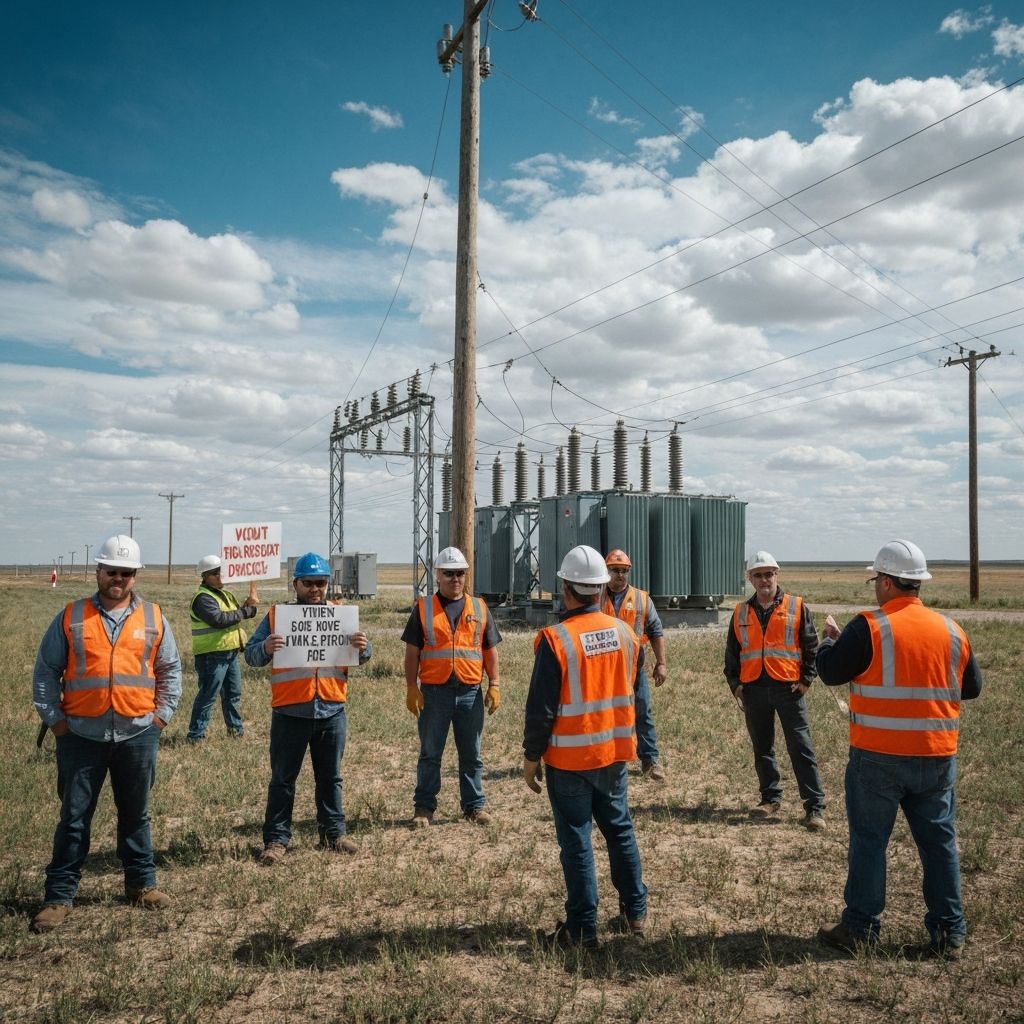
The Critical Importance of Utility Daylighting in Grande Prairie
Utility strikes—accidental damage to underground gas lines, electrical cables, water mains, or telecommunications infrastructure—represent one of the most dangerous and costly risks in construction and excavation work. In Grande Prairie, where decades of oil and gas development have created complex subsurface utility networks, the risk is particularly acute.
Hydrovac daylighting, the process of using pressurized water and vacuum excavation to safely expose underground utilities, has become the gold standard for strike prevention in Grande Prairie and across Canada. This guide explains why daylighting is essential and how it protects your project, workers, and community.
The True Cost of Utility Strikes
Financial Impact
Utility strikes carry severe financial consequences:
- Gas Line Strikes: $50,000-$250,000+ for repairs, emergency response, evacuations, and regulatory fines
- Electrical Cable Damage: $25,000-$150,000 including power restoration and service interruption claims
- Fiber Optic Strikes: $100,000-$500,000+ for cable replacement and data service disruption claims
- Water Main Breaks: $20,000-$100,000 for repair, water loss, and property damage
- Project Delays: Days to weeks of work stoppage costing thousands in extended overhead
Safety Consequences
Beyond financial costs, utility strikes create serious safety hazards:
- Gas line strikes can cause explosions, fires, and toxic exposure
- Electrical cable damage risks electrocution and arc flash injuries
- Water main breaks flood excavations, creating collapse and drowning risks
- Worker injuries lead to suffering, Workers' Compensation claims, and potential criminal liability
Regulatory and Legal Ramifications
- Alberta Occupational Health and Safety violations and fines
- Professional liability and insurance impacts
- Project shutdowns and stop-work orders
- Criminal charges in cases of negligence leading to injury or death
- Loss of certifications and inability to bid future projects
Why Grande Prairie Has High Utility Strike Risk
Complex Subsurface Infrastructure
Grande Prairie's growth from small agricultural center to major industrial hub created layers of infrastructure:
- Oil and gas pipelines connecting well sites to facilities
- Multiple electrical systems serving industrial loads
- Telecommunications expansion for growing population
- Municipal water and sewer systems
- Outdated utility records and as-built drawings
Congested Utility Corridors
Industrial parks, downtown areas, and commercial zones have extremely dense utility installations. A single excavation area may have:
- Multiple gas lines at different depths and pressures
- Primary and secondary electrical feeders
- Fiber optic cables for telecommunications and SCADA systems
- Water, sewer, and storm drainage lines
- Private utility lines not always marked on public records
Incomplete or Inaccurate Utility Information
Common challenges with utility records in Grande Prairie:
- Hand-drawn as-built plans with limited accuracy
- Missing documentation for older installations
- Utilities installed but never properly recorded
- Private utilities not included in public locate systems
- Changes made during previous construction not documented
How Hydrovac Daylighting Prevents Strikes
Visual Confirmation
Daylighting provides what electronic locates cannot—visual confirmation of:
- Exact utility location (not just approximate position)
- Precise depth measurement
- Utility condition and integrity
- Multiple utilities in close proximity
- Unexpected or unmarked utilities
Non-Destructive Exposure
Unlike mechanical excavation with backhoes or excavators, hydrovac daylighting uses pressurized water to break up soil. This non-destructive method:
- Cannot cut through utility lines or cables
- Provides gentle exposure without damaging coatings or insulation
- Allows careful work around multiple utilities in close quarters
- Enables inspection without compromising utility integrity
Precision and Control
Hydrovac operators have precise control over:
- Water pressure (adjusted for soil and utility sensitivity)
- Excavation depth and area
- Exposure speed and technique
- Protection of discovered utilities
When Daylighting is Essential
Pre-Construction Verification
Before any major excavation in Grande Prairie, daylighting should verify:
- Utility locations match electronic locates and drawings
- Depths are sufficient for planned excavation
- No unexpected utilities are present
- Utility condition is adequate (no need for repair before work)
High-Risk Excavation Areas
Daylighting is critical in:
- Known high-density utility corridors
- Areas with incomplete utility records
- Near oil and gas facilities with multiple pipelines
- Downtown or industrial park excavations
- Any area where utility strikes would have severe consequences
Conflicting Utility Information
When utility locates show:
- Utilities closer together than drawings indicate
- Depth discrepancies between records and locates
- Uncertainty about utility type or ownership
- Unmarked lines near indicated utilities
The Daylighting Process
Step 1: Utility Locates
Before daylighting, complete standard utility locates through Alberta One-Call and private utility owners. These electronic locates provide approximate locations to guide daylighting work.
Step 2: Hydrovac Exposure
Hydrovac operators systematically expose utilities at marked locations:
- Create test holes (potholes) at utility crossing points
- Expose utilities to verify exact location and depth
- Document findings with measurements and photos
- Identify any unmarked utilities discovered
Step 3: Verification and Planning
Use daylighting results to:
- Update excavation plans with accurate utility positions
- Adjust construction methods to protect exposed utilities
- Identify conflicts requiring design changes
- Plan hand-digging zones around sensitive utilities
Step 4: Protected Excavation
With utilities verified, main excavation proceeds with:
- Confidence in utility locations
- Appropriate clearances and hand-digging zones
- Proper support and protection for exposed utilities
- Reduced strike risk and project delays
Daylighting Best Practices
Plan Adequate Daylighting Points
Don't rely on a single pothole. Daylight at:
- Each marked utility crossing
- Corners and direction changes of excavation areas
- Points where utilities may run parallel to excavation
- Areas of utility congestion or uncertainty
Document Everything
Create comprehensive daylighting records:
- Photographs of exposed utilities
- Measured depths and positions
- Utility types, sizes, and conditions
- Any unexpected discoveries
- Updated site drawings
Protect Exposed Utilities
After daylighting:
- Mark exposed utility positions clearly
- Install temporary barricades or covers if leaving open
- Backfill promptly if utilities won't be accessed soon
- In winter, protect from freezing
Notify Stakeholders
Share daylighting findings with:
- Excavation crews and supervisors
- Utility owners if unexpected conditions are found
- Project engineers for any design impacts
- Safety personnel for hazard identification
Regulatory Requirements
Alberta One-Call
Alberta law requires contacting Alberta One-Call before any excavation. Daylighting is considered excavation and requires proper notification and utility locates.
Occupational Health and Safety
Alberta OHS regulations require employers to:
- Identify hazards including underground utilities
- Implement controls to prevent utility strikes
- Ensure worker competency for excavation work
- Maintain safe excavation practices
Daylighting demonstrates compliance with these requirements by providing verification of utility locations and conditions before work begins.
Cost-Benefit Analysis
Daylighting Investment
Typical daylighting costs for a Grande Prairie project:
- $750-$2,000 per day for hydrovac service
- Multiple test holes exposing key utilities
- Documentation and verification
Strike Prevention Value
Compare daylighting costs to strike risks:
- One avoided gas line strike: $50,000-$250,000+ savings
- Project delay prevention: $5,000-$50,000+ in extended costs
- Safety incident prevention: Immeasurable value of protecting workers
- Insurance and liability: Reduced premiums and risk exposure
The return on investment for daylighting is overwhelming—even if it prevents just one strike in your career, you've saved far more than all daylighting costs combined.
Schedule Your Grande Prairie Daylighting
Don't gamble with utility strike risks. Hydrovac Grande Prairie provides professional daylighting services throughout the region, with experienced operators, modern equipment, and commitment to your project's safety and success.
Contact us today to schedule daylighting for your next excavation project. We'll help you verify utility locations, prevent strikes, and keep your project on schedule and budget.